


CroRIS: Object exploration in full-term and preterm infants in social and physical environment
Principal investigator: Ana-Marija Bohaček, PhD

CroRIS: Object exploration in full-term and preterm infants in social and physical environment
Principal investigator: Ana-Marija Bohaček, PhD
Project team members:
Object exploration and manipulation in infants (such as touching, observing, and mouthing) provides insight into early cognitive, motor, and socioemotional development and is a fundamental activity for early learning. During their curious and exploratory actions, infants often interact with adults who adjust their own behavior and influence the variety of objects available for exploration. Unlike most research that examines the isolated effects of individual developmental factors, this project offers an integrated perspective on the systemic relationships among the child s spontaneous behavior, the behavior of nearby adults, and the quality of the physical environment. This approach enables an understanding of early developmental pathways from the perspective of dynamic interrelationships, consistent with the theory of developmental cascades, which forms the basis of this project proposal. The goal of this project is to determine the relationship between spontaneous exploratory behavior in infants and variability in fine motor skills, parental interaction, and the physical environment in both term and preterm infants. The project has significant translational potential for developing practical guidelines for early intervention in children with developmental disabilities, as it examines the effects of environmental factors.
Scientific contribution of the research:
Professional and social contribution of the research:
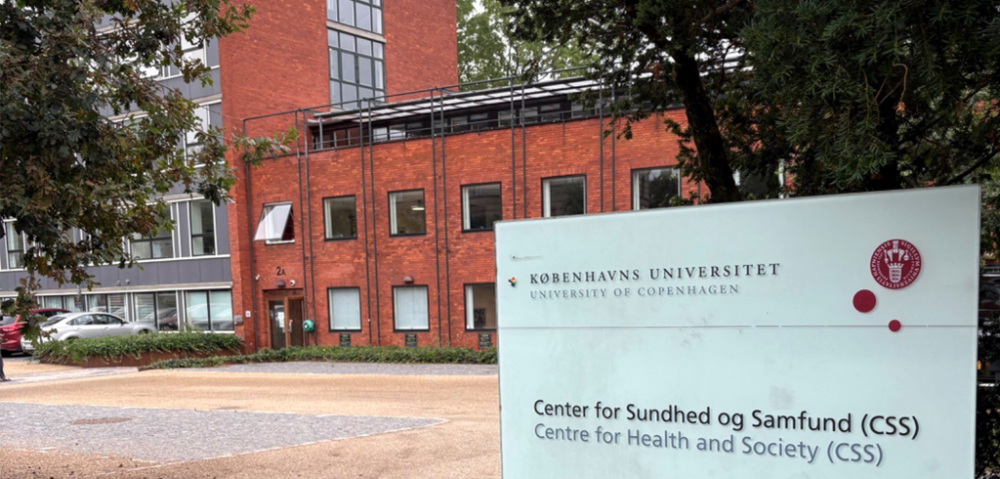
As part of international cooperation and the exchange of research experience, Ana-Marija Bohaček, PhD undertook a research visit to the University of Copenhagen from 31 August to 2 September 2026. The visit was hosted by Associate Professor Katrine Røhder from the Department of Psychology, University of Copenhagen.
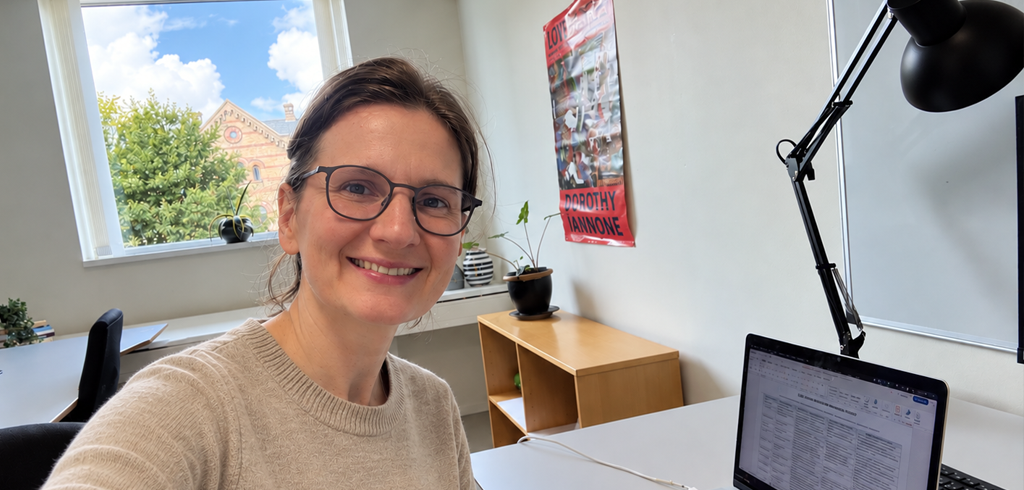
The visit took place at the Centre of Excellence in Early Intervention and Family Studies (CIF), a research centre within the Department of Psychology, University of Copenhagen.
During meetings with researchers at the Centre, the RADO project – Object Exploration in Full-Term and Preterm Infants in Social and Physical Environments – was presented. Particular emphasis was placed on the infant’s social environment, including parent–infant interaction and the ways in which parental behaviours may support infants’ object exploration.
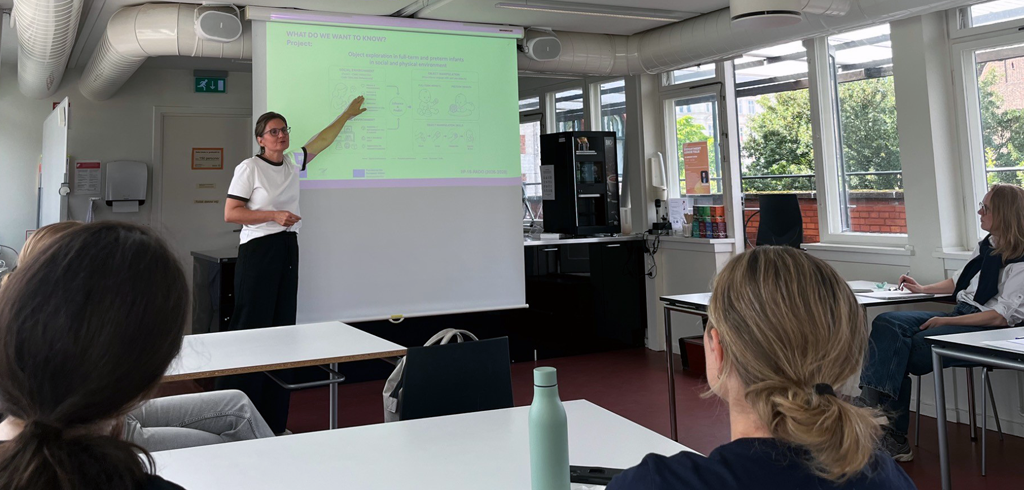
An important part of the research visit was the exchange of methodological experience in the study of early interactions. The analysis of parent–infant interaction is methodologically demanding, as it involves the systematic observation and coding of complex, dynamic, and interrelated behaviours of both parent and child. Discussions focused on the selection and application of assessment tools, video coding of interactions, defining units of analysis, and interpreting interaction patterns.
The research visit created opportunities to connect research approaches in Zagreb and Copenhagen and to further exchange knowledge on early development, parent–infant interaction, and early intervention.